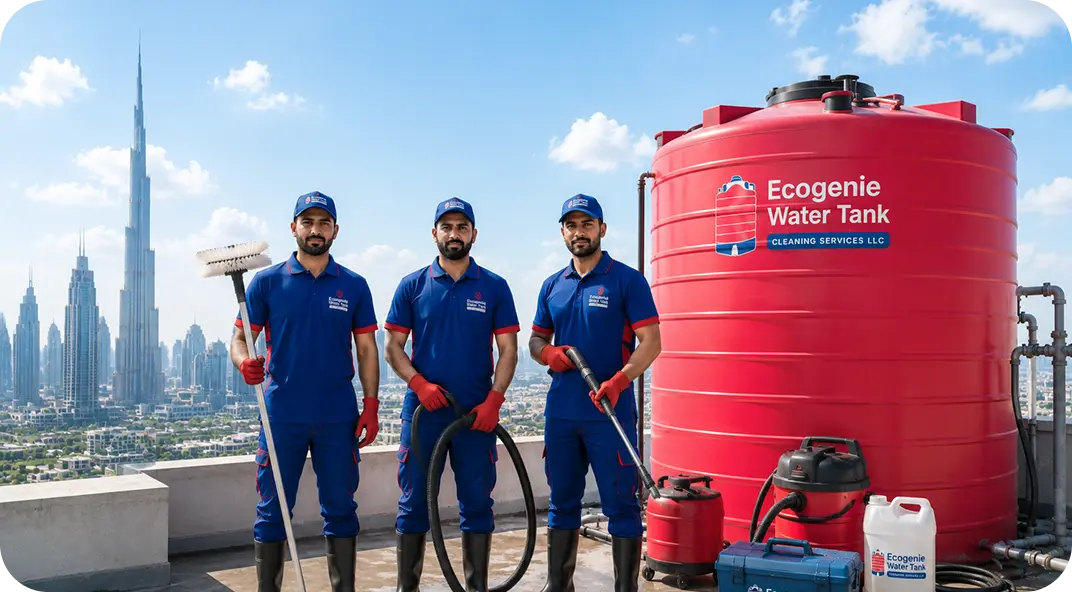

If you live in Nad Al Sheba 2, you probably don’t think about your water tank very often. It’s one of those out-of-sight, out-of-mind things. But here’s something worth knowing: the water sitting in that tank is what your family uses every single day for drinking, cooking, and bathing. And in Dubai’s climate, water tanks can become breeding grounds for bacteria, algae, and sediment faster than you might expect.
Let me walk you through why regular water tank cleaning matters, what the process actually involves, and how to keep your water supply safe and clean.
Why Water Tanks in Dubai Need Regular Cleaning
Dubai’s environment creates specific challenges for water storage. The intense heat, especially during summer months, can raise water temperatures inside tanks to levels where bacteria multiply rapidly. Dust storms and airborne sand particles are another factor. Even with closed systems, fine dust can find its way into tanks through vents and small openings.
When water sits in a tank for extended periods, sediment settles at the bottom. Algae can grow on the walls, particularly if any sunlight reaches the water. Biofilm (that slimy layer of bacteria) forms on interior surfaces. Over time, these contaminants affect water quality, even if your municipal water supply starts out perfectly clean.
According to Dubai Municipality’s guidelines on water tank maintenance, regular cleaning and disinfection of residential water tanks is essential for preventing waterborne diseases and maintaining public health standards. This isn’t just about water looking clear. It’s about what you can’t see that matters most.
What Happens During a Professional Tank Cleaning
A thorough water tank cleaning isn’t a quick rinse. It’s a systematic process that takes several hours, depending on your tank size and type.
The process starts with draining the tank completely. Technicians then enter (for larger underground and roof tanks) or access the interior to manually scrub every surface. They use scouring pads to remove algae, biofilm, and sediment from the walls, floor, and ceiling of the tank. This physical scrubbing is important because it removes the buildup that disinfectants alone can’t eliminate.
Next comes pressure washing. High-pressure water jets clean away loosened debris and flush it toward the drain. Any remaining water gets pumped out.
After the tank is physically clean, technicians apply eco-friendly disinfectant solutions to all internal surfaces. These solutions kill remaining bacteria and sanitize the tank without leaving harmful chemical residues. The tank is then rinsed thoroughly, refilled, and tested to make sure the water quality meets safety standards at all your taps.
Professional services also inspect the tank structure during cleaning. They look for cracks, loose fittings, damaged lids, or any entry points where contaminants could get in. While repairs aren’t typically included in a standard cleaning service, at least you’ll know if something needs attention.
Types of Water Tanks and What to Expect
Most homes in Nad Al Sheba 2 have one or more of these tank types:
Underground tanks are the workhorses of residential water storage, typically ranging from 500 to 2000 gallons. They stay cooler than other types but can accumulate more sediment over time. Cleaning requires proper ventilation and safety equipment since technicians work in confined spaces.
Roof tanks supply water to your home through gravity. They’re exposed to more heat and sunlight, which means faster algae growth if not properly covered. The elevation makes access more challenging, but the cleaning process is similar.
Outdoor ground tanks are less common in residential properties, but still need the same attention. Their exposure to the elements means they may need more frequent inspection.

Preparing for Your Water Tank Cleaning
You’ll need to shut off your main water supply valve the day before your scheduled cleaning. This prevents water from refilling the tank while technicians are trying to drain it.
Plan for water interruption. Depending on your tank size, the service can take anywhere from three to six hours. Fill some containers with water beforehand if you need it for essential tasks during that time.
Make sure technicians can safely access your tank. For roof tanks, that means clear pathways and stable access points. For underground tanks, the cover should be accessible and not buried under landscaping or heavy objects.
How Often Should You Clean Your Water Tanks?
The recommended schedule is every six months. That might seem frequent, but it makes sense when you consider Dubai’s conditions. Think about how quickly dust accumulates on your car or outdoor furniture. Similar processes happen inside your water tank, just more slowly and invisibly.
Some situations call for more frequent cleaning. If you notice any changes in water color, taste, or smell, don’t wait for your regular schedule. If your area experiences unusual dust storms or if there’s construction nearby kicking up extra debris, consider an additional cleaning.
What You Can Do Between Professional Cleanings
While professional cleaning is essential, you can help maintain water quality between services.
Check your tank lid or cover regularly. Make sure it’s properly sealed and not cracked. Even small openings let in dust, insects, and debris.
Install or maintain mesh screens on overflow pipes and vents. These prevent insects and larger particles from entering while still allowing necessary air circulation.
Monitor your water quality through your taps. Clear water doesn’t guarantee purity, but any visible changes should prompt immediate action.
If you have an older tank, consider whether it’s time for replacement rather than just cleaning. Tanks do wear out, and severely corroded or damaged tanks may not be worth maintaining.
Services That Work Together with Tank Cleaning
Clean water tanks are just one piece of maintaining a healthy home water system. Your home’s plumbing should be inspected periodically for leaks or corrosion that could contaminate water after it leaves the tank. Water filtration systems, if you have them, need their own maintenance schedule separate from tank cleaning.
Deep cleaning services for other areas of your home that use water heavily (like bathrooms and kitchens) help prevent bacteria buildup in those spaces too. And if you’re concerned about indoor air quality, remember that water damage or hidden leaks can contribute to mold growth.
The Bottom Line
Your water tank does quiet, unglamorous work every single day. Keeping it clean isn’t exciting, but it directly impacts your family’s health and comfort. In Nad Al Sheba 2’s environment, regular professional cleaning every six months isn’t excessive. It’s practical maintenance that protects one of your home’s most essential systems.
The peace of mind that comes from knowing your water is clean is worth the brief inconvenience of the service. And once it’s done, you won’t have to think about it again for another six months.